Top Priorities:
Dry molded fiber bottle coatings that maintain shelf life (high moisture barrier, grease resistance) and recyclability.
Barrier-forming fiber structures with moisture and oxygen resistance, compatible with fiber recycling.
Fiber primary packaging (bottles, pouches, pods, trays) that are recyclable or repulpable at scale with lower CO₂ footprint compared to existing options.
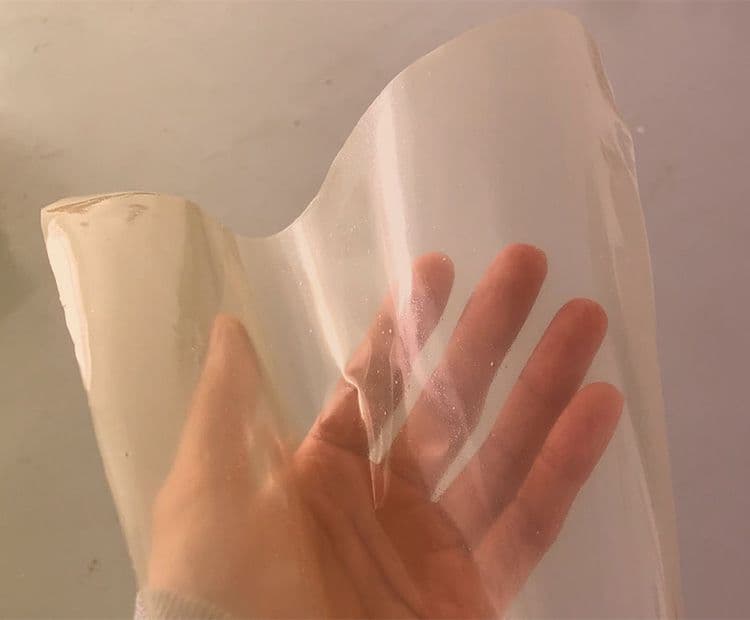
Sachet film technology for improved recyclability, biodegradability, compostability, as well as safe leakage to nature.
Replacements for non-recyclable components, including:
Nylon barriers in PET bottles and Bag-in-box bags.
Plastic blister packaging.
Alternatives to disposable plastic cups and multilayer pouches to ensure recyclability.
HDPE and/or PET bottle ultra-lightweighting: Beyond simple weight reduction, focusing on optimization to minimize material usage by technology / process & material properties.
Straw: Alternative to plastic & paper.
Other Areas of Interest:
- Fiber-based multipacks and multi-cycle reusable carton packaging.
- Carton coatings to extend shelf life without disrupting recycling streams.
- Secondary & tertiary packaging: Developing stretch paper fiber as alternative to plastic for grouping solutions.
- Shrink-wrap alternatives that are not made from plastic.
- High PCR ring carriers or sustainable ring carrier material replacement.
- Stretch film from recycled plastic (used for transport of pallets with finished SKUs).
- Reusable packaging for SKU transportation: an alternative for stretch film or hoods that we can reuse when we transport our finished good SKUs to the customers.
- Food-grade recycled plastics (rPP, rPE) and food contact plastics with >10% recycled content. Require a high moisture barrier, if it is focused on the liner of the crown corks, otherwise we do not have plastics that are in direct contact with food.
- Returnable and refillable aluminum containers.
- “Can of the future” — lid and body from the same alloy for seamless recycling and higher recycled content.
- Aluminum purification technologies to improve recyclability and quality.
- Decarbonated aluminum material: Beyond simple weight reduction, focusing on optimization to minimize material usage by technology / process & material properties.
- Can format container: Alternative to aluminum considering the design for recycling (>70%) fit for aqua-drink and natural & mineral water.
- Anti-scuff coatings for returnable bottles to extend bottle life.
- Glass strengthening technologies that enable super lightweighting.
- Decarbonated glass material: Glass containers (water & dairy) will have a positive impact on CO2 footprint by using new technology / process & material properties.